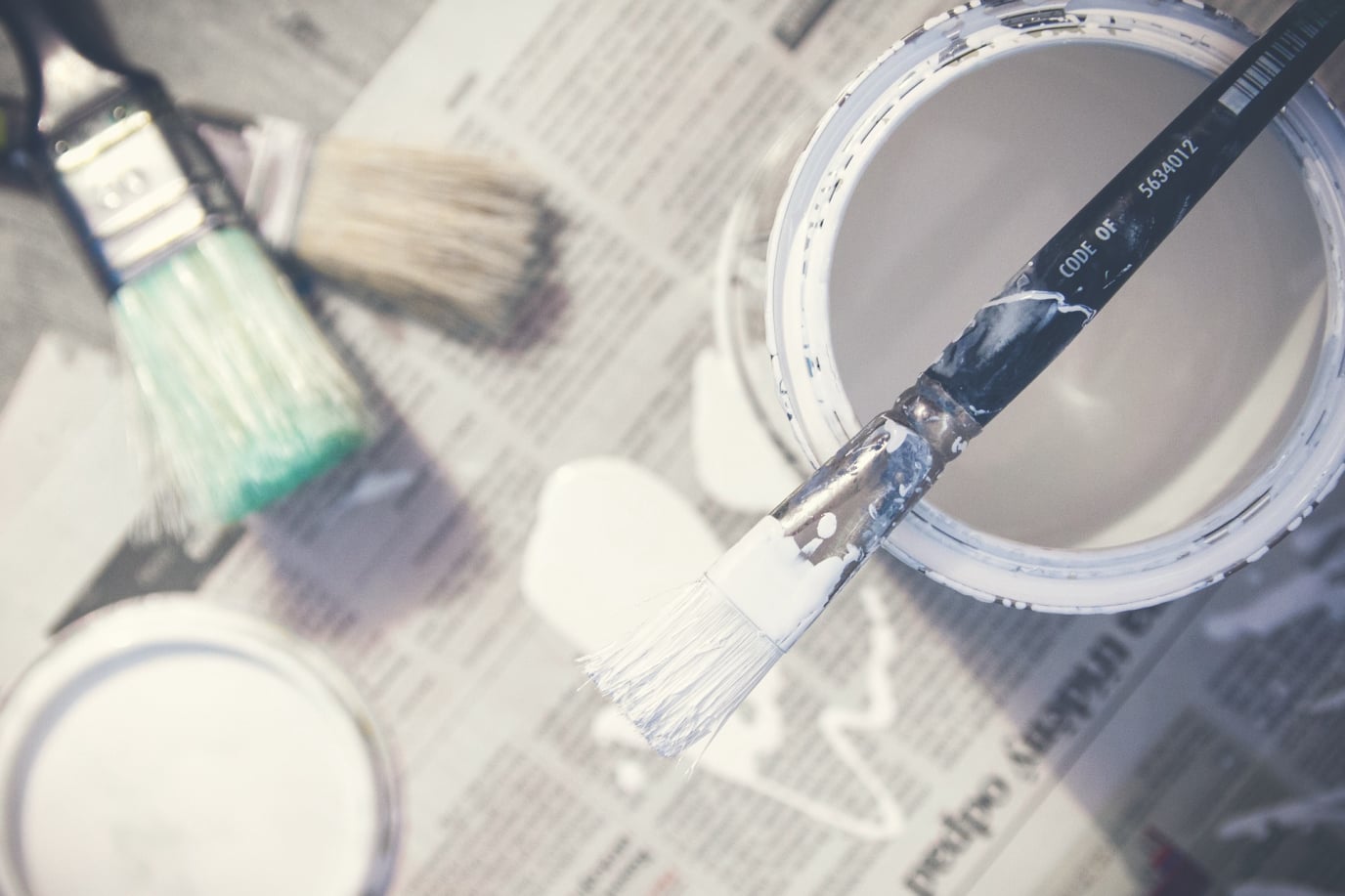
What is Primer and Why Does It Matter?

Primer paint, often referred to simply as primer, serves as an essential undercoat and base layer in painting projects. It is a preparatory coating applied to surfaces before the final coat of paint. This initial layer is crucial for several reasons. Firstly, it ensures that the final paint adheres better to the surface, leading to a more durable and long-lasting finish. Without a primer, the topcoat might not stick well, resulting in peeling or uneven coverage. Secondly, primer paint helps to seal the surface, creating a uniform base that enhances the appearance of the final paint layer. By doing so, it provides a smooth and consistent finish, which is particularly important when painting over surfaces with different textures or colors.

Purpose of Primer Paint

The primary purpose of primer paint is adhesion and durability. Primer creates a strong bond between the surface and the topcoat of paint, ensuring that the paint adheres properly and lasts longer. This is especially important for surfaces that are porous or have been previously painted. Primer also helps to create a uniform surface, which can improve the appearance and longevity of the final paint job. By providing a stable base, primer paint allows the topcoat to adhere better, resulting in a more durable and long-lasting finish. Additionally, primer can help to block stains and prevent them from bleeding through the final coat of paint. 

Importance of Primer Paint

The importance of primer paint cannot be overstated. It plays a critical role in surface preparation and longevity. Proper surface preparation is essential for a successful paint job, and primer paint is a key component of this process. By creating a uniform and stable surface, primer ensures that the final coat of paint adheres properly and lasts longer. This can save time and money in the long run, as it reduces the need for frequent touch-ups and repainting. Furthermore, primer paint helps to prevent peeling and flaking, which can occur when paint does not adhere properly to the surface. By using primer, you can ensure that your paint job looks great and lasts for years to come. 

Benefits of Primer Paint

Primer paint offers numerous benefits, including a smooth finish and protection for the surface being painted. One of the primary benefits of primer is that it helps to create a smooth and even surface, which can improve the appearance of the final paint job. By filling in small imperfections and creating a uniform base, primer ensures that the topcoat of paint goes on smoothly and evenly. This can result in a more professional-looking finish, with fewer visible brush strokes and a more consistent color. Additionally, primer paint provides protection for the surface being painted, helping to prevent damage and extend the life of the paint job. This is particularly important for surfaces that are exposed to moisture or other environmental factors. 

Types of Primer Paint

There are several types of primer paint available, including oil-based and water-based primers. Oil-based primers are known for their excellent adhesion and stain-blocking properties. They are ideal for use on surfaces that are prone to stains or have been previously painted with oil-based paint. Water-based primers, on the other hand, are easier to clean up and have lower levels of volatile organic compounds (VOCs), making them a more environmentally friendly option. Water-based primers are suitable for most surfaces and can be used with both latex and oil-based topcoats. Additionally, there are specialty primers available for specific surfaces, such as metal, wood, or drywall, as well as primers designed for use with specific types of paint, such as acrylic or latex. 

Application of Primer Paint

Primer paint can be applied using various methods, including brushes, rollers, and spray equipment. The method of application will depend on the size and type of surface being painted, as well as personal preference. Brushes are ideal for smaller areas or for cutting in around edges and corners. Rollers are great for larger, flat surfaces and can help to achieve a smooth and even finish. Spray equipment can be used for very large surfaces or for achieving a particularly smooth and professional-looking finish. Regardless of the method used, it is important to follow the manufacturer's instructions for application and to ensure that the surface is properly prepared before applying the primer. 

Surfaces for Primer Paint

Primer paint can be used on a variety of surfaces, including wood, metal, and drywall. Each surface may require a different type of primer to achieve the best results. For example, wood surfaces can benefit from an oil-based primer, which helps to seal the wood and prevent tannins from bleeding through the paint. Metal surfaces may require a primer that is specifically designed for metal, which can help to prevent rust and ensure proper adhesion. Drywall surfaces typically benefit from a water-based primer, which helps to create a smooth and even base for the topcoat of paint. By choosing the right primer for the surface being painted, you can ensure that the final paint job looks great and lasts for years to come. 

Drying Time of Primer Paint

The drying time of primer paint can vary depending on the type of primer and environmental conditions. Some primers are designed to dry quickly, which can help to speed up the painting process. Quick-drying primers are ideal for projects where time is of the essence, as they allow for faster application of the topcoat. Standard primers may take longer to dry, but they can provide excellent adhesion and durability. It is important to follow the manufacturer's instructions for drying times and to ensure that the primer is fully dry before applying the topcoat of paint. This can help to ensure that the final paint job adheres properly and lasts for years to come. 

Environmental Impact of Primer Paint

The environmental impact of primer paint is an important consideration for many consumers. Low-VOC and eco-friendly primers are available for those who are concerned about the environmental impact of their painting projects. Low-VOC primers have reduced levels of volatile organic compounds, which can contribute to air pollution and have negative health effects. Eco-friendly primers may also be made from sustainable materials and have lower environmental impacts. By choosing a low-VOC or eco-friendly primer, you can help to reduce your environmental footprint and create a healthier indoor environment. 

Cost of Primer Paint

The cost of primer paint can vary depending on the type and brand of primer. Affordable primers are available for budget-conscious consumers, while premium primers may offer additional benefits, such as better adhesion, stain-blocking properties, or faster drying times. When choosing a primer, it is important to consider the specific needs of your project and to select a primer that meets those needs within your budget. Investing in a high-quality primer can help to ensure that your paint job looks great and lasts for years to come, which can save time and money in the long run. 

Composition of Primer Paint

Continuing our exploration of wood rot repair methods, this section will delve into additional techniques and considerations. Addressing issues such as moisture control, identifying types of wood rot, and understanding the signs of rotting wood will provide a comprehensive approach to managing and preventing wood decay. 

Types of Primer Paint

There are several types of primer paint available, including shellac, latex, and acrylic primers. Shellac primers are known for their excellent stain-blocking properties and are often used on surfaces with severe stains or odors. Latex primers, also known as water-based primers, are versatile and easy to clean up, making them a popular choice for many painting projects. Acrylic primers are similar to latex primers but offer better adhesion and durability, making them suitable for a wider range of surfaces. Each type of primer paint has its own unique advantages, so it is important to choose the right one based on the specific needs of your project. 

Usage of Primer Paint

Primer paint can be used for both interior and exterior painting projects. For interior projects, primer paint helps to create a smooth and even surface, which can improve the appearance of the final paint job. It is particularly useful for covering up stains, old paint, or surfaces that have not been previously painted. For exterior projects, primer paint provides a protective layer that helps to shield the surface from the elements, such as moisture and UV rays. This can help to extend the life of the paint job and prevent peeling or flaking. Whether you are painting indoors or outdoors, primer paint is an essential step in achieving a professional and long-lasting finish. 

Features of Primer Paint

Primer paint offers several important features, including stain-blocking and mold-resistant properties. Stain-blocking primers are designed to prevent stains from bleeding through the topcoat of paint, ensuring a clean and uniform finish. This is particularly important when painting over surfaces with water damage, smoke stains, or other discolorations. Mold-resistant primers, on the other hand, help to prevent the growth of mold and mildew on the painted surface. This can be especially beneficial in areas with high humidity or where moisture is a concern. By choosing a primer paint with these features, you can ensure that your paint job not only looks great but also provides long-lasting protection. 

Brands of Primer Paint

There are several well-known brands of primer paint available on the market, including Kilz, Zinsser, and Rust-Oleum. Kilz is known for its high-quality stain-blocking primers, which are ideal for covering up tough stains and odors. Zinsser offers a wide range of primers, including options for specific surfaces and applications. Rust-Oleum is another popular brand that offers primers with excellent adhesion and durability. Each brand has its own unique formulations and benefits, so it is important to choose the right one based on your specific needs. By selecting a trusted brand, you can ensure that you are getting a high-quality product that will deliver great results. 

Colors of Primer Paint

Primer paint is available in several colors, including white, gray, and tinted options. White primer is the most common and is often used for general purposes. It provides a neutral base that can help to enhance the color of the topcoat. Gray primer is often used under dark or bold colors, as it can help to improve coverage and reduce the number of coats needed. Tinted primers are custom-mixed to match the color of the topcoat, which can help to improve coverage and ensure a uniform finish. By choosing the right color of primer paint, you can ensure that your paint job looks its best and requires fewer coats. 

Coverage of Primer Paint

The coverage of primer paint can vary depending on the specific product and the surface being painted. Coverage is typically measured in square footage and the number of coats required. Most primers will provide coverage information on the label, which can help you determine how much primer you need for your project. It is important to follow the manufacturer's recommendations for coverage and to apply the primer evenly for the best results. By ensuring proper coverage, you can create a strong and uniform base that will enhance the appearance and durability of the topcoat. 

Compatibility of Primer Paint

Primer paint is compatible with a variety of topcoats and paint types. Whether you are using latex, oil-based, or acrylic paint, there is a primer available that will work with your chosen topcoat. It is important to choose a primer that is compatible with the type of paint you plan to use, as this can help to ensure proper adhesion and a long-lasting finish. Many primers are designed to be versatile and can be used with multiple types of paint, making them a convenient choice for a wide range of projects. By selecting a compatible primer, you can ensure that your paint job looks great and lasts for years to come. 

Storage of Primer Paint

Proper storage of primer paint is essential to maintaining its quality and performance. Primer paint should be stored in a cool, dry place, away from direct sunlight and extreme temperatures. The shelf life of primer paint can vary depending on the specific product, but most primers will have a recommended storage period indicated on the label. It is important to follow the manufacturer's instructions for storage and to ensure that the primer is properly sealed to prevent it from drying out or becoming contaminated. By storing primer paint correctly, you can ensure that it remains effective and ready for use when you need it. 

Safety of Primer Paint

Safety is an important consideration when using primer paint. Many primers are formulated to be non-toxic and safe for use in residential settings. However, it is still important to follow safety guidelines and to use primer paint in a well-ventilated area. Some primers may contain flammable ingredients, so it is important to keep them away from open flames and to store them safely. Always read and follow the manufacturer's safety instructions and take appropriate precautions when using primer paint. By prioritizing safety, you can ensure a safe and successful painting project. 


Primer paint plays a crucial role in achieving a successful paint job. Its definition as an undercoat or base layer highlights its importance in providing adhesion, durability, and a smooth finish. The purpose of primer paint is to create a strong bond between the surface and the topcoat, ensuring a long-lasting and professional-looking finish. The various types of primer paint, including oil-based and water-based options, cater to different surfaces and project requirements. Proper application methods, such as using brushes, rollers, or spray equipment, help to achieve the best results. Understanding the importance of primer paint in surface preparation and its numerous benefits, including protection and enhanced appearance, can help you achieve a high-quality paint job that stands the test of time.